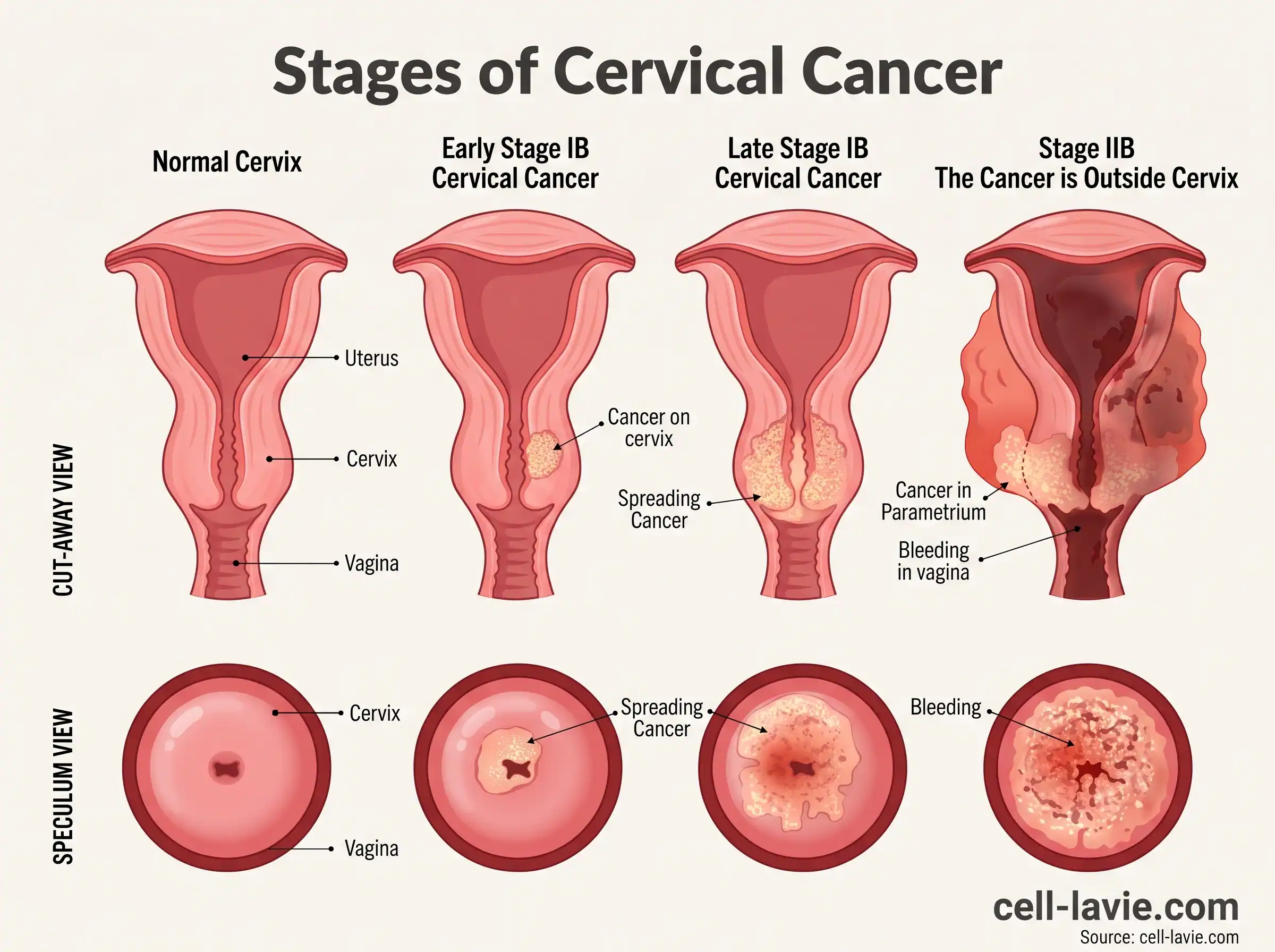
Mesenchymal Stem Cell Therapy in Cervical Cancer: What the 2026 Evidence Shows

A 2026 systematic review found 14 studies of mesenchymal stem cells in cervical cancer, with contradictory results and no study controlling for HPV genotype. Here is what the evidence actually shows.

Read more...

MSC Therapy for Graft-versus-Host Disease: What 15 RCTs and a Biomarker-Guided Trial Tell Us

A 2026 meta-analysis of 15 RCTs shows MSCs cut acute GvHD incidence by 53% and chronic GvHD by 50%. A biomarker-guided trial identifies which transplant patients benefit most — and a cell-free exosome approach may be next.

Read more...

Pediatric Applications of Stem Cell Therapy

Stem cell therapy holds immense promise for treating rare diseases in children, offering hope for conditions that are often difficult to manage with conventional treatments. Mesenchymal stem cells (MSCs) are particularly valuable in pediatric applications due to their safety and regenerative potential, addressing disorders like cerebral palsy, muscular dystrophy, and...

Read more...

Revolutionizing Cancer Treatment with CIK Cells

When it comes to modern medicine, advancements in cancer treatment and immune system rejuvenation are among the most exciting fields of study. One such breakthrough involves Cytokine-Induced Killer (CIK) cells. These specialized immune cells are showing promise in the fight against cancer and even offer potential for rejuvenating the immune...

Read more...

Hematopoietic Stem Cell Transplantation: An Advanced Treatment Option for Blood-Related Diseases

Hematopoietic stem cell transplantation (HSCT) is a medical procedure that involves the transplantation of stem cells that are capable of forming blood cells. This advanced treatment option is used to treat various blood-related diseases such as leukemia, lymphoma, and multiple myeloma. HSCT has been found to be highly effective in...

Read more...

Cellules dormantes : la phase de repos des cellules souches récemment découverte pourrait endormir les tumeurs cérébrales

Les chercheurs en génie biomédical ont développé un nouvel outil de classification cellulaire qui examine à plus haute résolution le cycle de vie des cellules souches neuroépithéliales, ce qui a conduit à la découverte et à l'exploration d'une nouvelle phase de repos appelée Neural G0. Ces connaissances pourraient aider les scientifiques à mieux comprendre les tumeurs cérébrales du gliome et à développer...

Read more...
Haut