
 Russian
 English
 Chinese
 French
Stem Cell Viability Testing: How to Read a Clinic’s Paperwork
Sterility, endotoxin, viability and flow cytometry: the four documents that describe a cell product, what the numbers mean, and which ones a serious lab shows you without being asked.
Sterility, endotoxin, viability and flow cytometry: the four documents that describe a cell product, what the numbers mean, and which ones a serious lab shows you without being asked.

Privacy, halal food, Arabic-speaking coordinators and direct flights: what Gulf patients actually ask about before booking orthopaedic or longevity treatment in Bangkok.

What insurance actually covers (rarely anything), the financing options patients genuinely use, and the two arrangements we tell everyone to avoid.
What you can actually do in the days after a stem cell injection: which painkillers are safe, what swelling means, how fast to move, and when to call.

Cost gaps, regulatory trade-offs, and wait times compared honestly — including the three areas where the USA and Europe are genuinely the better choice.
Two 2026 systematic reviews, a Schwann cell mechanism study, and the first powered RCT in diabetic peripheral neuropathy — what clinicians need to know about MSC and exosome therapy for DPN.
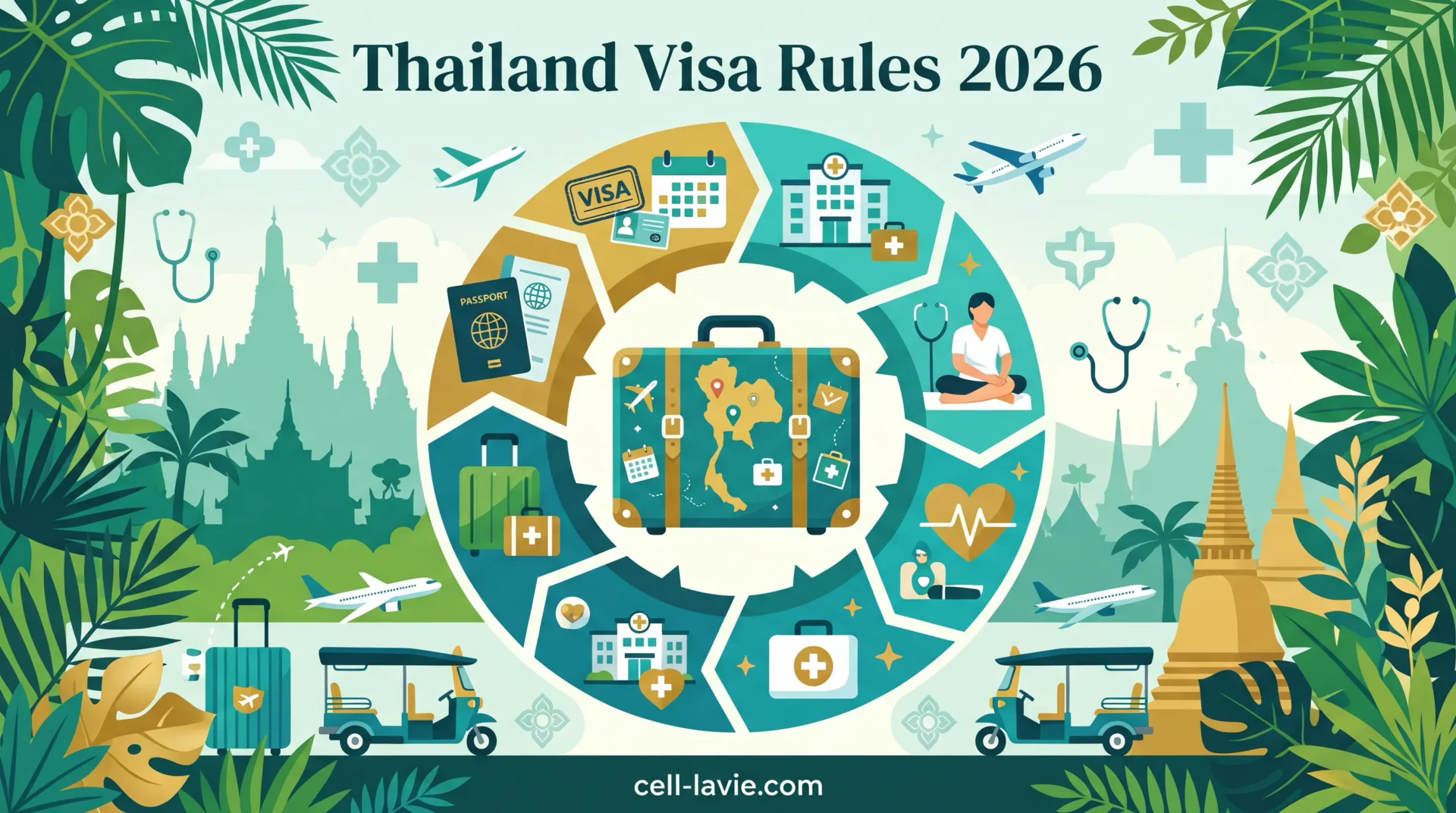
DTV, tourist visa or LTR: which entry fits a stem cell protocol in Bangkok, what the clinic letter must say, and how long you actually need to stay.
Reviewing the latest RCTs (SMART-MS) and meta-analyses on MSC therapy for progressive multiple sclerosis, including efficacy and safety data.
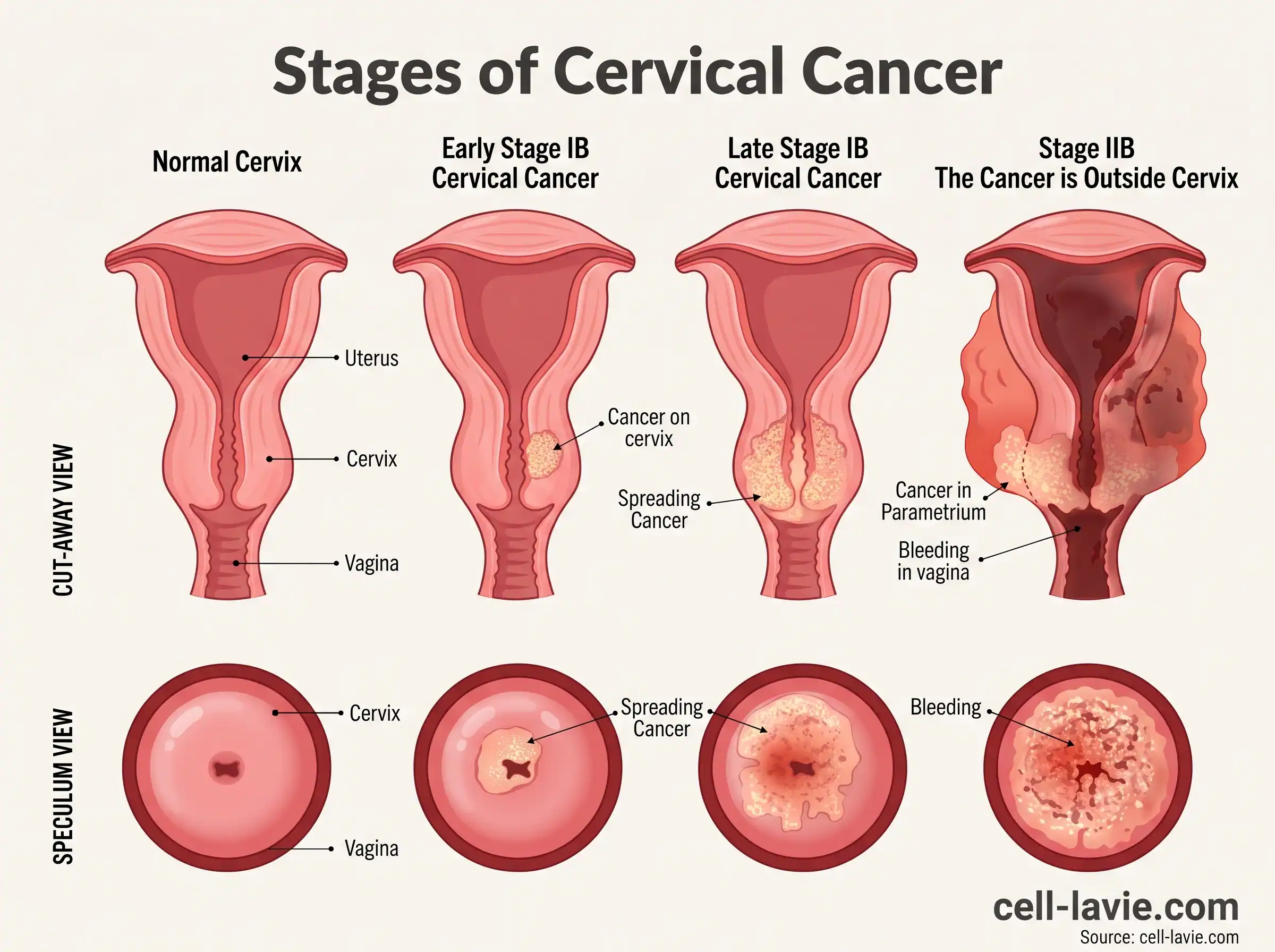
A 2026 systematic review found 14 studies of mesenchymal stem cells in cervical cancer, with contradictory results and no study controlling for HPV genotype. Here is what the evidence actually shows.
The first-in-human trial of glycocalyx-edited autologous MSCs shows that engineering bone homing via sLeX expression reduces fragility fractures and increases bone density in advanced osteoporosis patients, with five-plus years of safety data and no serious adverse events.